
The Art of Place: Iconic Locations in David Yarrow Photography
One of the defining elements of David Yarrow’s photography is his use of place as a storytelling device. While animals, actors, and cinematic compositions often command attention, the locations themselves are never incidental. Each setting, whether a historical American bar, a luxury European street, or a vast wilderness landscape, adds depth and content to the narrative unfolding in the frame.
Yarrow does not simply photograph a location; he builds a story around it using cultural associations and visual drama, all to create images that feel both timeless and cinematic. In many ways, the location becomes a character within the photograph.
Below we will explore how some of the most iconic places in David Yarrow’s work shape the mood, story, and impact of his images.

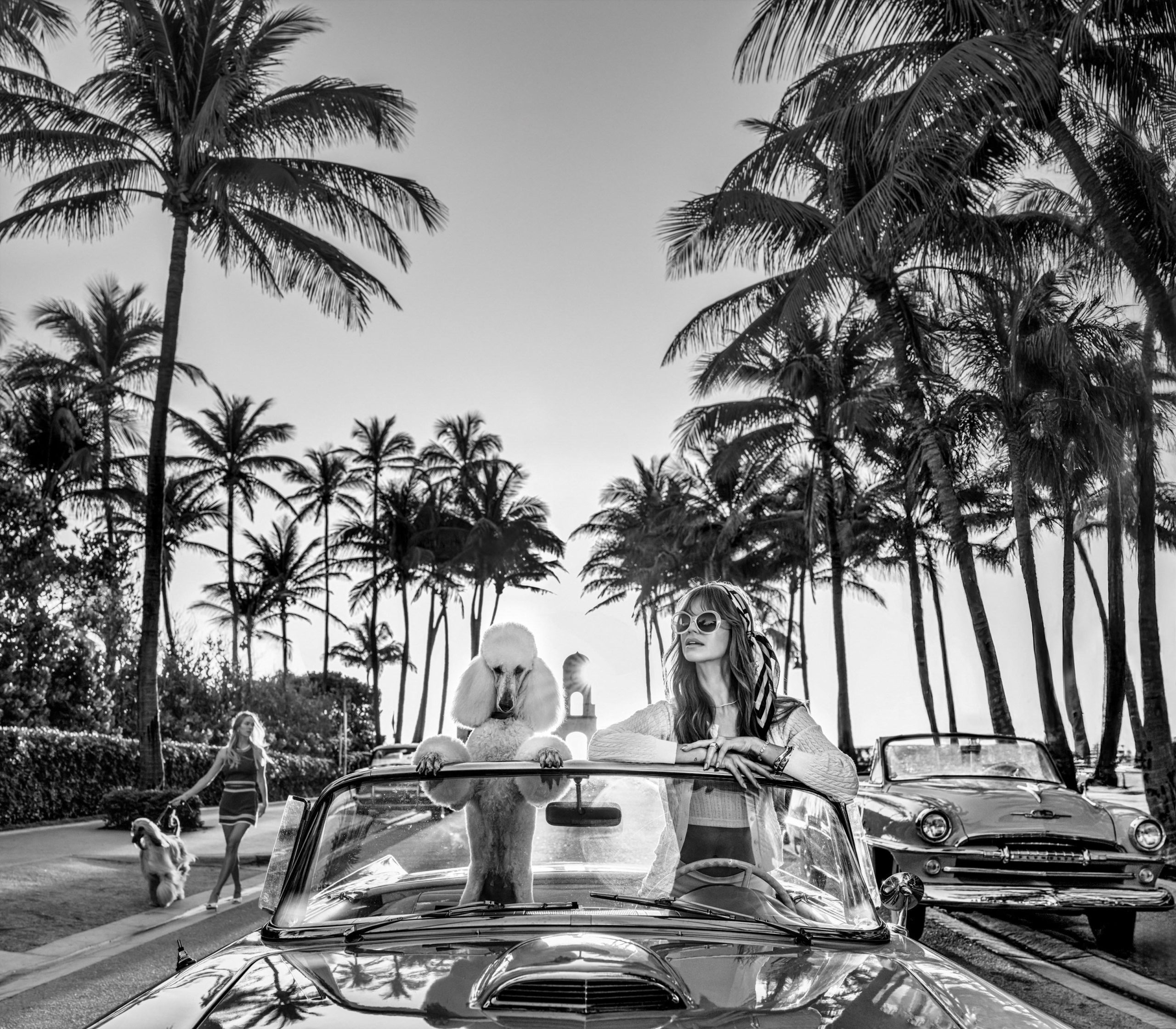
Palm Beach’s famous Worth Avenue is synonymous with luxury, heritage architecture, and understated glamour. In Yarrow’s interpretation, the location becomes a stage for a carefully choreographed scene that captures both elegance and drama.
The Mediterranean-inspired arcades, soft light, and refined storefronts give the image a sense of timelessness. Rather than presenting the street as a simple architectural image, Yarrow fills the frame with characters and narrative tension, turning a famous shopping avenue into something closer to a film set.
By choosing such an iconic setting, the photograph taps into the cultural identity of Palm Beach itself: wealth, exclusivity, and a hint of theatrical spectacle.
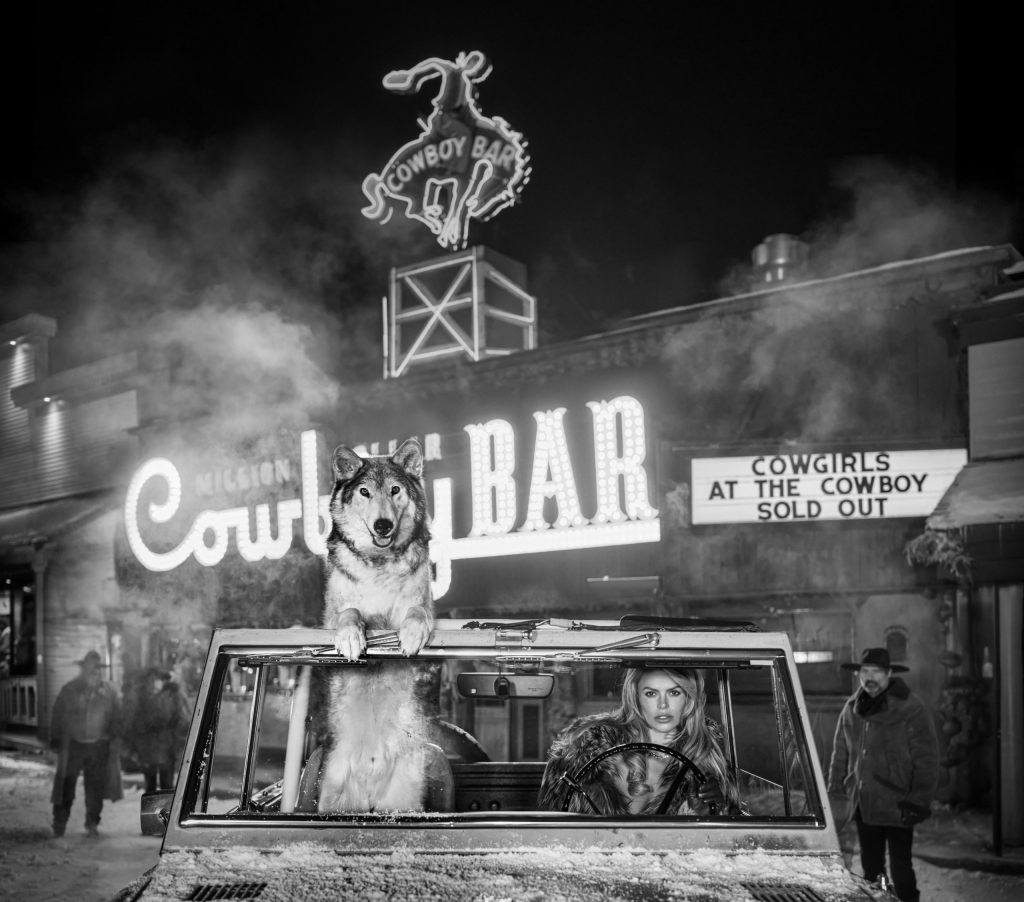
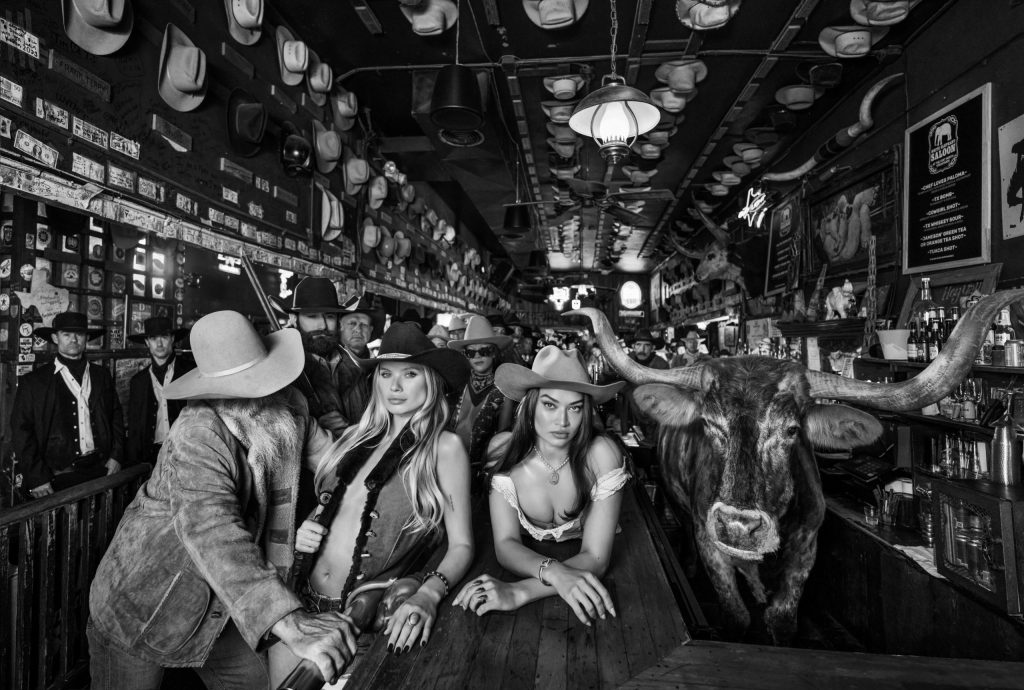
The American West has a unique ability to evoke powerful storytelling, and Yarrow has repeatedly returned to this setting to explore the mythology of cowboys, frontier towns, and rugged individualism.
Historic locations such as the Million Dollar Cowboy Bar in Jackson Hole are not simply scenic backdrops; they carry decades of cultural memory. The antler barstools, wooden interiors, and saloon-inspired atmosphere immediately anchor the viewer in the mythology of the frontier.
Yarrow complements the scene’s narrative by having cowboys, bartenders, and animals all appearing frozen in the moment of cinematic tension. The result is an image that feels as if it belongs both to the history of the American West and to the visual language of modern cinema.

At the other end of the spectrum to the American West is the European Riviera, offering a completely different narrative setting. Cities such as Monte Carlo evoke glamour, speed, and international sophistication.
In works inspired by films like The Italian Job, Yarrow uses narrow streets, classic cars, and architectural grandeur to create images full of motion and intrigue. The setting itself carries cinematic associations with spy films, high-stakes heists, and jet-set lifestyles.
Here, the location has the ability to reinforce the entire story’s tone. The polished surfaces and elegant facades create an atmosphere of luxury and suspense, allowing the photographer to feel like a moment pulled from a larger narrative.
While some of Yarrow’s most elaborate photographs are carefully staged, many of his most powerful images rely on the raw drama of nature itself.
Yarrow’s photography of places such as the Grand Tetons provides a sense of scale and grandeur that cannot be replicated. Towering mountain ranges, sweeping plains, and expansive skies create the perfect stage for wildlife photography.
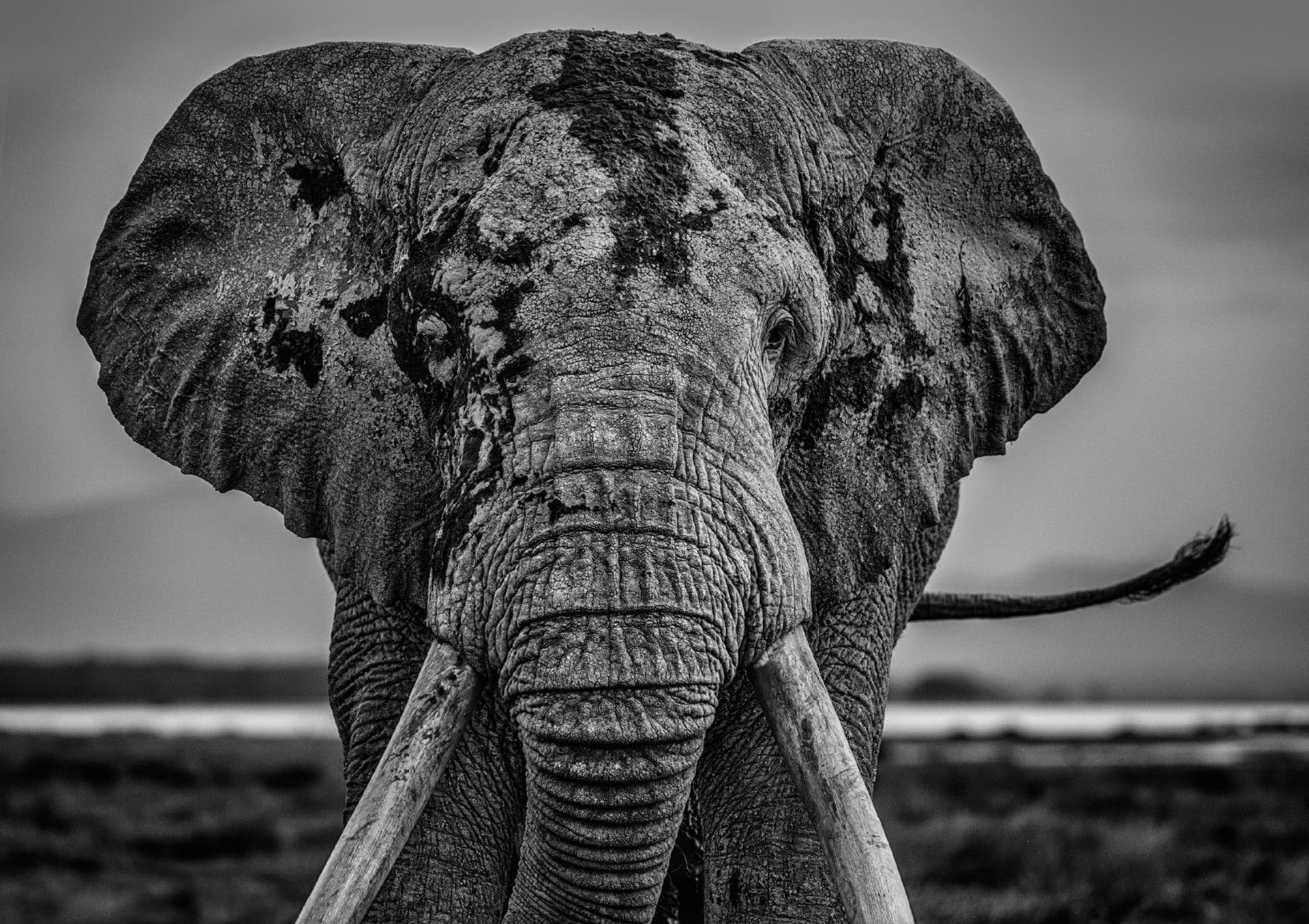
In these images, the environment plays an essential role in framing the subject. The vastness of the landscape emphasizes the presence of the animal, whether a lone wolf, a towering elephant, or a lion surveying its territory.
Rather than competing with the subject, the setting magnifies the emotional power of the moment.
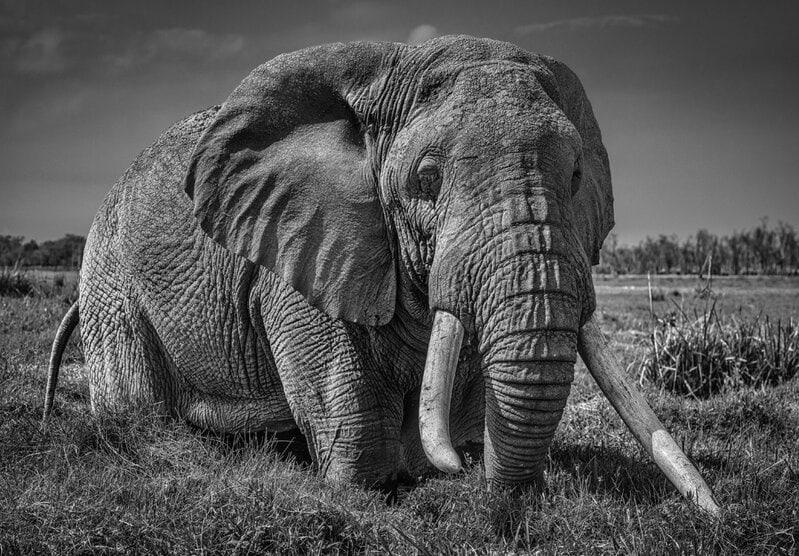
Across all of David Yarrow’s work, one theme remains consistent: location shapes the narrative.
Each place has its own symbol and atmosphere. By choosing locations with strong cultural identities, Yarrow ensures every photograph contains more than a striking visual; it contains a story rooted in the location.
The result is a body of work where viewers are not simply looking at an image; they are stepping into a world carefully curated around a specific location and moment in time.